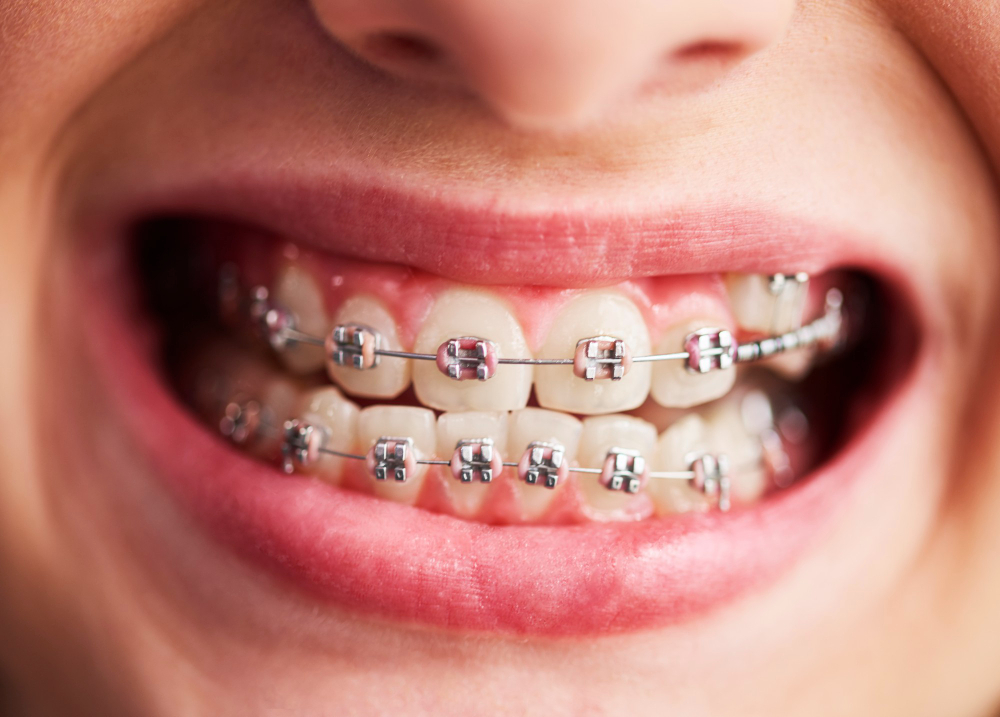
What Are Braces?
Braces are dental devices that help straighten teeth and fix bite problems. Many people get braces to improve their smile and oral health. Dentists and orthodontists use braces to move teeth into better positions. Because straight teeth are easier to clean, braces can also help prevent tooth decay and gum disease. Braces are common for children, teens, and even adults.
Types of Braces
There are several types of dental braces. Each type has its own look and benefits. Your dentist will help you choose the best one for your needs. Here are the main types:
Metal Braces: These are the most common. They use metal brackets and wires. Metal braces are strong and work well for most people.
Ceramic Braces: These braces use clear or tooth-colored brackets. Because they blend in with your teeth, they are less noticeable than metal braces.
Lingual Braces: These braces go behind your teeth. As a result, they are hidden from view. However, they may take longer to get used to.
Clear Aligners: These are clear, removable trays. Invisalign is a popular brand. Clear aligners are almost invisible and can be taken out for eating and cleaning.
Who Needs Braces?
Many people need braces to fix dental problems. Some common reasons include:
Crooked or crowded teeth
Gaps between teeth
Overbite (top teeth stick out too far)
Underbite (bottom teeth stick out)
Crossbite (teeth do not line up)
Open bite (space between top and bottom teeth when mouth is closed)
Early treatment can help prevent bigger problems later. Dentists often check children by age seven. However, adults can get braces too.
The Braces Procedure
Getting braces is a step-by-step process. Here is what you can expect:
Consultation: First, you meet with a dentist or orthodontist. They check your teeth and take X-rays. They will discuss the best braces for you.
Fitting: Next, the dentist cleans your teeth. Then, they attach brackets to your teeth with a special glue. Wires are placed through the brackets. For clear aligners, you get custom trays instead.
Adjustments: You will visit the dentist every few weeks. They tighten the wires or give you new aligners. These visits help move your teeth slowly and safely.
Removal: Once your teeth are straight, the dentist removes the braces. You may need to wear a retainer to keep your teeth in place.
Benefits of Braces
Braces offer many benefits for your teeth and health. Some key benefits include:
Straighter teeth and a better smile
Improved bite and chewing
Easier brushing and flossing
Lower risk of tooth decay and gum disease
Better speech in some cases
Because braces fix dental issues, they can boost your confidence and help you feel better about your smile.
Care Tips for Braces
Taking care of your braces is important. Good care helps prevent problems and keeps your treatment on track. Here are some tips:
Brush your teeth after every meal. Use a soft toothbrush and fluoride toothpaste.
Floss daily. Special floss threaders can help clean around wires.
Rinse with mouthwash to remove germs.
Avoid sticky, hard, or chewy foods. These can break your braces or get stuck.
Cut fruits and vegetables into small pieces.
Wear a mouthguard if you play sports.
Visit your dentist for regular check-ups.
Following these tips will help you get the best results from your braces.
Common Myths About Braces
There are many myths about braces. Let’s clear up some common ones:
Braces are only for kids. In fact, adults can get braces too.
Braces are very painful. While you may feel some discomfort, it usually goes away after a few days.
Braces set off metal detectors. This is not true. Braces do not cause alarms at airports.
You cannot play sports with braces. You can, but you should wear a mouthguard.
Potential Risks and Side Effects
Most people have no serious problems with braces. However, some risks and side effects can happen. These may include:
Sore teeth or gums after adjustments
Mouth sores from brackets or wires
Tooth decay or gum problems if you do not clean well
Allergic reactions to metal (rare)
Root shortening (rare and usually mild)
If you have any concerns, talk to your dentist right away.
When to Consult a Dentist or Orthodontist
If you notice crooked teeth, bite problems, or gaps, it is a good idea to see a dental specialist. Early visits can help spot problems before they get worse. Even if you are an adult, you can ask about braces. Your dentist or orthodontist will guide you on the best treatment for your needs.
Ready to improve your smile? Consult Dr. Anil’s Dental & Implant Centre to find out if braces are right for you.