
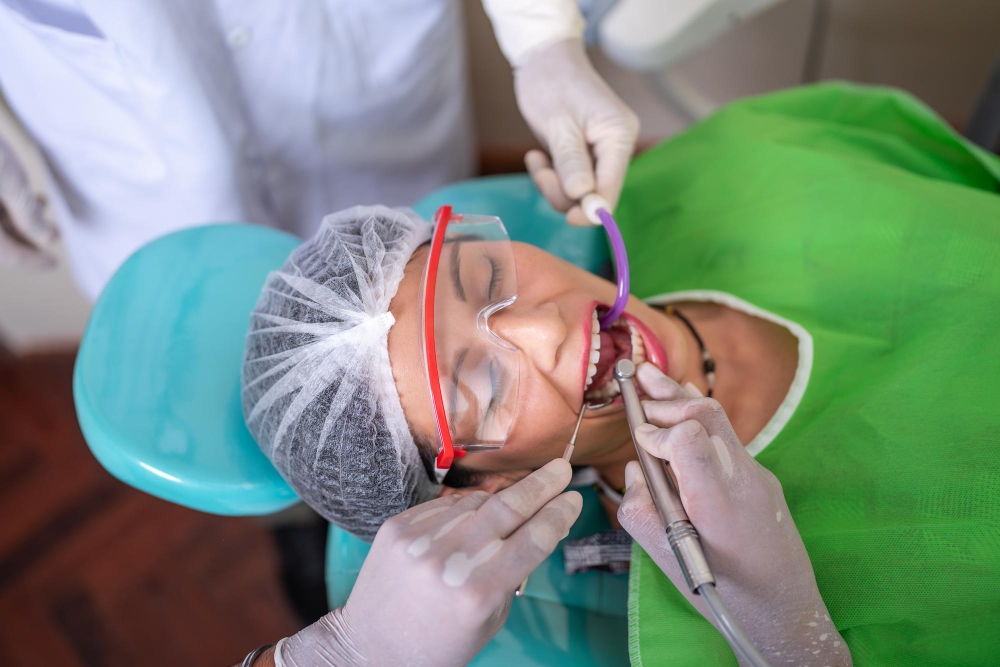
Periodontal plastic surgery is a group of dental procedures that improve the look and health of your gums. Many people choose these treatments to fix gum problems or to make their smile look better. In fact, periodontal plastic surgery can help with issues like uneven gums, exposed tooth roots, or gum recession. Because healthy gums are important for your teeth, these surgeries can also improve your overall oral health.
What is Periodontal Plastic Surgery?
Periodontal plastic surgery includes treatments that reshape or repair the gums. For example, dentists may use these procedures to cover exposed roots or to even out the gum line. Some common types are gum contouring, gum grafting, and other cosmetic dental surgery options. These treatments can help both your appearance and your gum health.
Common Reasons for Periodontal Plastic Surgery
People choose periodontal plastic surgery for many reasons. Sometimes, it is for health. Other times, it is for looks. Here are some common reasons:
Symptoms and Signs That May Require Surgery
Not everyone needs periodontal plastic surgery. However, you may notice signs that suggest you should see a dentist. Look for these symptoms:
If you notice any of these, it is wise to ask your dentist about your options.
Diagnosis and Evaluation Process
First, your dentist will check your mouth and gums. They may use a small tool to measure your gums. Sometimes, X-rays help show the bone and roots. Next, your dentist will ask about your health and any symptoms. After that, they will explain if periodontal plastic surgery is right for you. This careful process helps make sure you get the best care.
Treatment Options and Procedures
There are several types of periodontal plastic surgery. Each one helps with different gum problems. Common procedures include:
Your dentist will choose the best treatment based on your needs. Most procedures use local anesthesia, so you stay comfortable. Recovery is usually quick, but your dentist will give you special care tips.
Recovery and Aftercare Tips
After surgery, taking care of your gums is very important. Here are some tips to help you heal:
With good care, most people heal well and see great results.
Prevention and Oral Health Maintenance
Even after surgery, keeping your gums healthy is key. You can prevent future problems by:
These habits help protect your gums and teeth for life.
Frequently Asked Questions
Remember, every mouth is different. Consult a dental specialist at Dr. Anil’s Dental & Implant Centre for personalized advice on periodontal plastic surgery.