Introduction to Dental Scaling
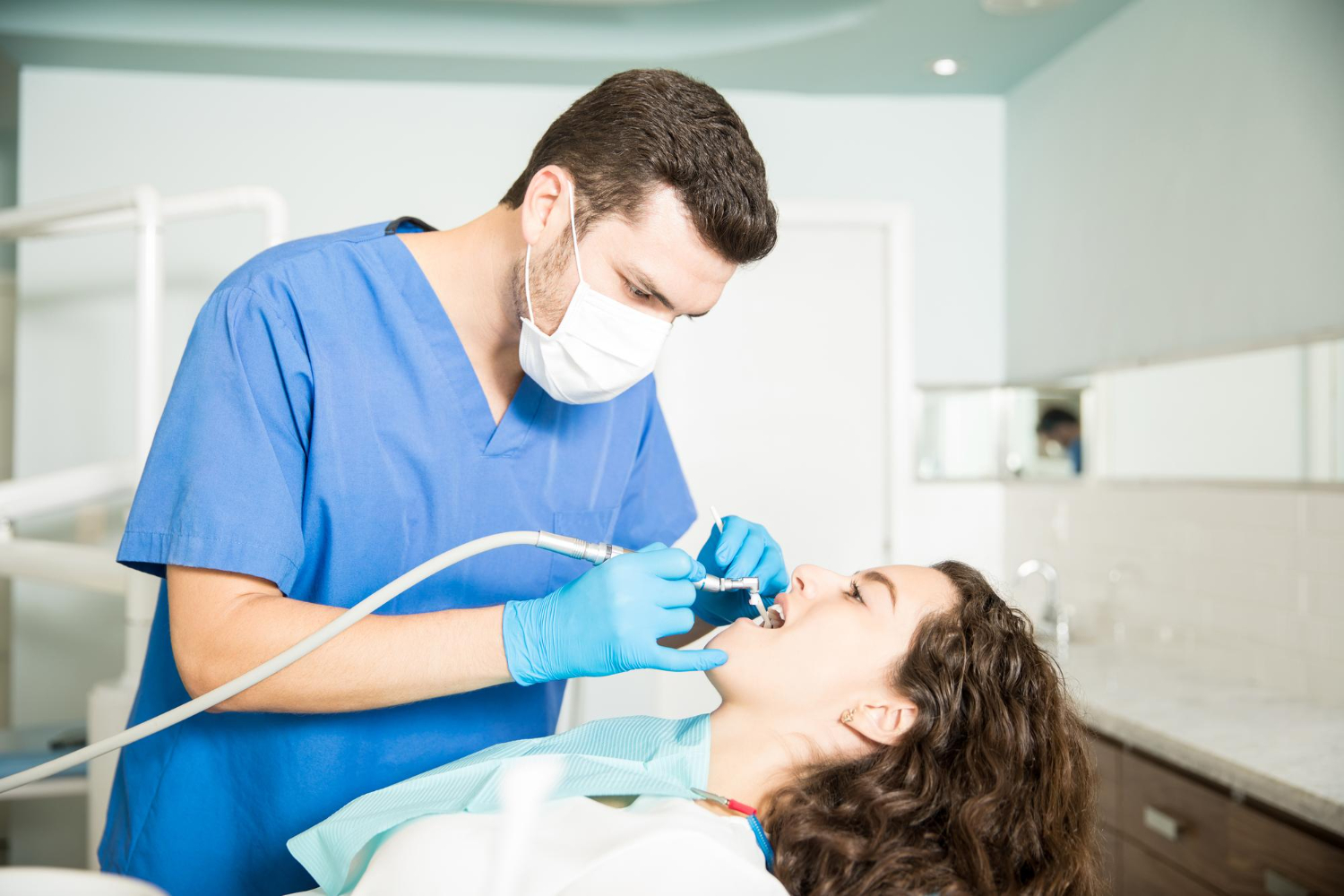
Dental scaling is a common teeth cleaning procedure. Dentists use it to remove plaque and tartar from your teeth. Plaque is a sticky film of bacteria. Over time, it can harden into tartar, which is tough to remove at home. Because tartar can lead to gum disease, dental scaling is important for oral health maintenance. Many people search for “dental scaling near me” to keep their teeth and gums healthy.
Signs You May Need Dental Scaling
Sometimes, it is hard to know when you need dental scaling. However, there are signs to watch for. If you notice any of these, consider seeing your dentist:
Additionally, your dentist may suggest scaling if you have not had a cleaning in over six months.
Step-by-Step Overview of the Dental Scaling Procedure
Dental scaling is a safe and simple process. Here is what you can expect during your visit:
Most appointments take less than an hour. However, if you have a lot of buildup, you may need more than one visit.
Benefits of Dental Scaling
Dental scaling offers many benefits for your oral health. For example, it helps prevent gum disease and tooth loss. Here are some key benefits:
Because healthy gums are linked to better overall health, regular scaling is important.
Possible Risks or Side Effects
Dental scaling is safe for most people. Still, some may notice mild side effects. For instance, you might feel:
Usually, these effects go away quickly. However, if you have ongoing pain or swelling, contact your dentist right away.
Aftercare Tips and Recovery
After dental scaling, proper care helps your mouth heal. Here are some simple aftercare tips:
Most people recover quickly and can return to normal activities the same day.
Prevention: How to Maintain Oral Health After Scaling
Good oral care helps keep your teeth clean after scaling. To prevent plaque and tartar buildup, try these tips:
Because prevention is key, following these steps can help you avoid future dental problems.
Conclusion
Dental scaling is a safe and effective way to keep your teeth and gums healthy. It removes harmful buildup and helps prevent gum disease. If you notice signs like bleeding gums or bad breath, talk to your dentist. For personalized advice on dental scaling and oral health, consult at Dr. Anil’s Dental & Implant Centre today.