Keeping your mouth healthy starts with simple habits. One key step is knowing how often you should replace your toothbrush. Many people forget this, but it can make a big difference in your oral health. A fresh toothbrush helps remove plaque, keeps your breath fresh, and protects your gums. In this blog, you will learn why toothbrush replacement matters, how often to do it, and tips for better dental care.
Why Replacing Your Toothbrush Is Important
First, a clean toothbrush removes food and germs from your teeth. Over time, the bristles wear out and become less effective. As a result, your toothbrush may not clean your teeth well. In addition, old brushes can collect bacteria, which may lead to gum problems or bad breath. According to the American Dental Association (ADA), replacing your toothbrush helps keep your mouth healthy and lowers the risk of infection.
How Often Should You Replace Your Toothbrush?
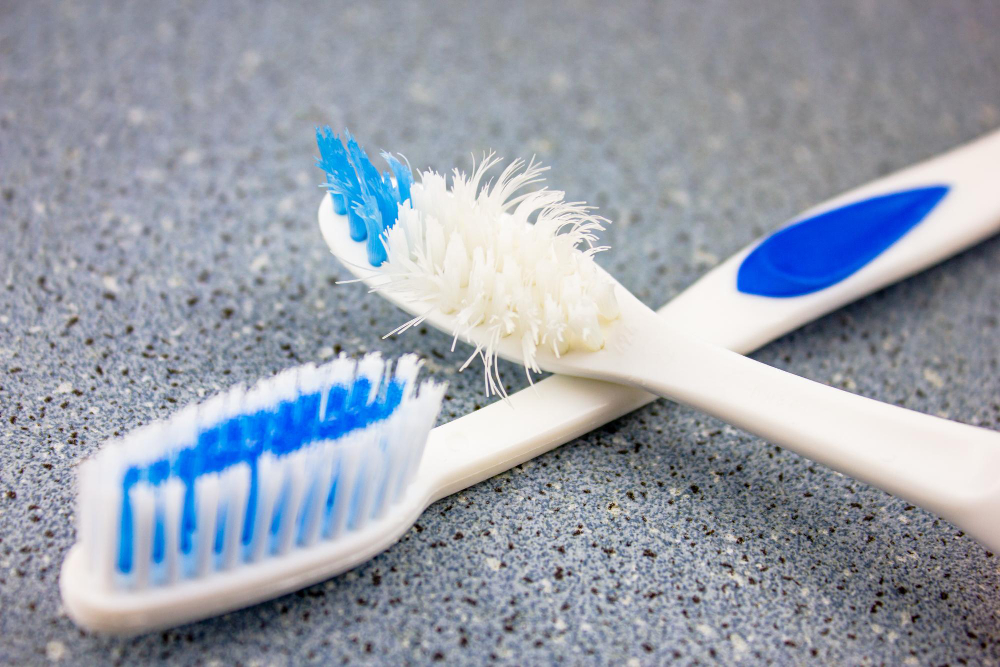
Most dental experts, including the ADA, recommend changing your toothbrush every three to four months. However, you may need to replace it sooner if the bristles look worn or frayed. After being sick, it is also wise to get a new toothbrush. This simple step helps prevent germs from spreading. For children, you might need to replace their brushes more often, as they may chew on the bristles or wear them out faster. If you use an electric toothbrush, change the brush head every three months or as the maker suggests.
Signs It’s Time to Replace Your Toothbrush
Sometimes, you may need to change your toothbrush before three months. Look for these signs:
If you notice any of these, it is time for a new toothbrush. This helps keep your mouth clean and healthy.
Risks of Using an Old Toothbrush
Using an old toothbrush can cause several problems. For example, worn bristles do not clean teeth well. This can lead to plaque buildup and tooth decay. Moreover, old brushes can hold bacteria and even mold. These germs may cause gum disease or mouth infections. In some cases, using a dirty toothbrush can make you sick again after an illness. Therefore, regular toothbrush replacement is a simple way to protect your dental health.
Tips for Toothbrush Care and Maintenance
Proper care can help your toothbrush last longer and work better. Here are some easy tips:
By following these oral hygiene tips, you can keep your toothbrush clean and your smile bright.
Frequently Asked Questions
Can I use my toothbrush longer than three months?
While some people do, it is not recommended. Even if the bristles look fine, they may not clean as well after three months.
Should I replace my toothbrush after being sick?
Yes, you should. This helps prevent spreading germs and lowers your risk of getting sick again.
How do I know if my child’s toothbrush needs replacing?
Check the bristles often. If they look worn or chewed, replace the brush right away.
Does water quality affect toothbrush care?
In some areas, tap water may have more germs. If you live in such a place, rinse your toothbrush with bottled or boiled water and let it dry well.
Conclusion
In summary, replacing your toothbrush every three to four months is key for good dental health. Watch for signs of wear and always change your brush after illness. For personalized dental advice, Consult a dentist at Dr. Anil’s Dental & Implant Centre.