
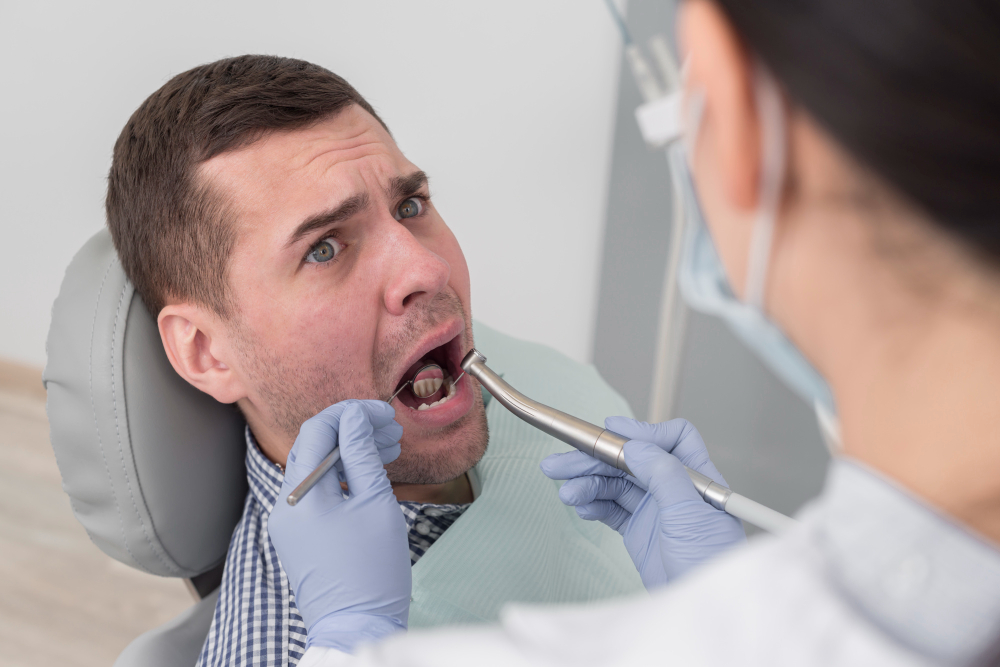
What Is a Cracked Tooth?
A cracked tooth happens when a small or large break forms in your tooth. Sometimes, the crack is easy to see. Other times, it can be hidden. A cracked tooth can cause pain, especially when you bite or chew. In many cases, people search for “cracked tooth symptoms” or “how to treat a cracked tooth” when they notice discomfort. If you think you have a cracked tooth, seeing a dentist for cracked tooth care is important. Early treatment can help save your tooth and prevent more problems.
Common Symptoms of a Cracked Tooth
Many people do not notice a cracked tooth right away. However, certain signs can help you spot the problem. For example, you may feel pain when chewing. Sometimes, the pain comes and goes. Here are common symptoms:
Even if the pain is mild, it is wise to see a dentist. Early care can prevent the crack from getting worse.
Causes of Cracked Teeth
Many things can cause a cracked tooth. Sometimes, a single event leads to a crack. Other times, small cracks form over time. Here are some common causes:
Because cracked teeth can happen to anyone, it is important to know the risks. Taking care of your teeth can help lower your chances.
How Dentists Diagnose a Cracked Tooth
Diagnosing a cracked tooth can be tricky. Sometimes, the crack is too small to see. However, dentists use several methods to find the problem. For instance, they may:
With these steps, your dentist can decide the best way to treat your cracked tooth.
Treatment Options for a Cracked Tooth
Treatment depends on how deep or wide the crack is. Sometimes, a small crack needs only simple care. Other times, more work is needed. Here are common treatments:
For the best results, seek cracked tooth treatment near you as soon as you notice symptoms. Early care can often save your tooth.
Prevention Tips for Cracked Teeth
While not all cracks can be avoided, you can lower your risk. Consider these tips:
By following these steps, you can help keep your teeth strong and healthy.
When to See a Dentist
If you notice pain, swelling, or sensitivity in your tooth, do not wait. Even if the pain is mild, a dentist can check for cracks or other problems. Early treatment can stop the crack from spreading. In addition, if you have had an injury to your mouth, it is wise to get checked. Many people search for “dentist for cracked tooth” or “cracked tooth treatment near me” to find help quickly. Remember, prompt care can make a big difference.
Conclusion
A cracked tooth can cause pain and lead to bigger problems if left untreated. If you suspect a cracked tooth, consult a dentist at Dr. Anil’s Dental & Implant Centre promptly for personalized care. Early action can help save your tooth and keep your smile healthy.