
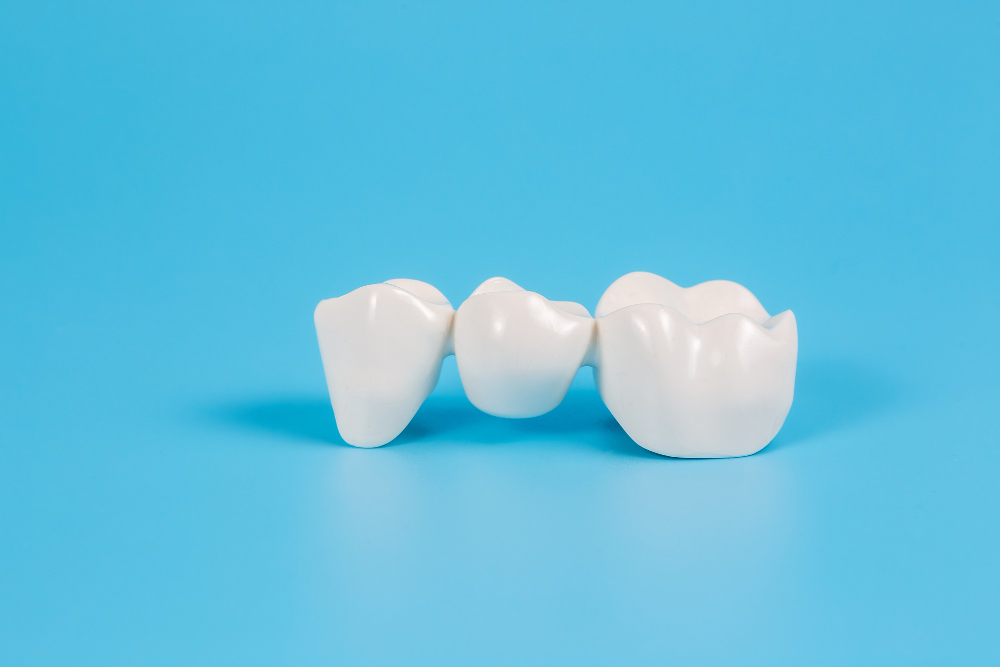
What Are Dental Crowns?
Dental crowns are tooth-shaped caps placed over a tooth. They help restore the tooth’s shape, size, and strength. Often, dental crowns improve the look of a damaged tooth. Dentists use dental crowns to protect weak teeth or cover dental implants. According to the World Health Organization (WHO), dental crowns are a common way to save teeth and improve oral health.
Common Reasons for Needing Dental Crowns
Many people need dental crowns for different reasons. For example, you may need a crown if you have:
Sometimes, dentists also use crowns to improve the look of a misshapen or discolored tooth. In many cases, dental crowns help restore your smile and protect your teeth.
Types of Dental Crowns
There are several types of dental crowns. Each type has its own benefits. Some common types include:
Because each type has pros and cons, your dentist will help you choose the best one for your needs.
Step-by-Step Dental Crown Procedure
Getting a dental crown usually takes two visits. Here is what you can expect:
Sometimes, new technology allows dentists to make and place crowns in one visit. However, this depends on the dental office and your needs.
Benefits and Potential Risks
Dental crowns offer many benefits. For instance, they:
However, there are some risks. For example, you may feel sensitivity after the procedure. Rarely, a crown may become loose or fall off. In some cases, an allergic reaction to the crown material can occur. According to the CDC, these risks are low when a dentist follows proper steps.
Aftercare Tips and Maintenance
Proper care helps your dental crown last longer. Here are some tips:
With good care, dental crowns can last many years. Still, it is important to follow your dentist’s advice for the best results.
Frequently Asked Questions About Dental Crowns
In summary, dental crowns can restore and protect your teeth. They also help improve your smile. If you think you may need a dental crown, consult a dentist Dr. Anil’s Dental & Implant Centre for personalized advice about dental crowns.